
Life Before Cancer
I would be remiss if I didn’t begin this with some background information about me and the life I had before finding out I had oral cancer. I grew up in Allentown, PA and went to college at Drexel and Penn State to get degrees in Mechanical Engineering and Engineering Mechanics, respectively. I worked as a co-op student at the Naval Air Development Center in Warminster, PA while attending Drexel and eventually took a full-time position there after graduating with my Master’s of Science degree from Penn State. I got married at 30 and had a daughter shortly thereafter. In 1995, the Warminster facility was closed and my job moved to Patuxent River, MD. I’ve worked there since as a Nondestructive Inspection Engineer. I am currently the team lead for the Nondestructive Inspection Branch.
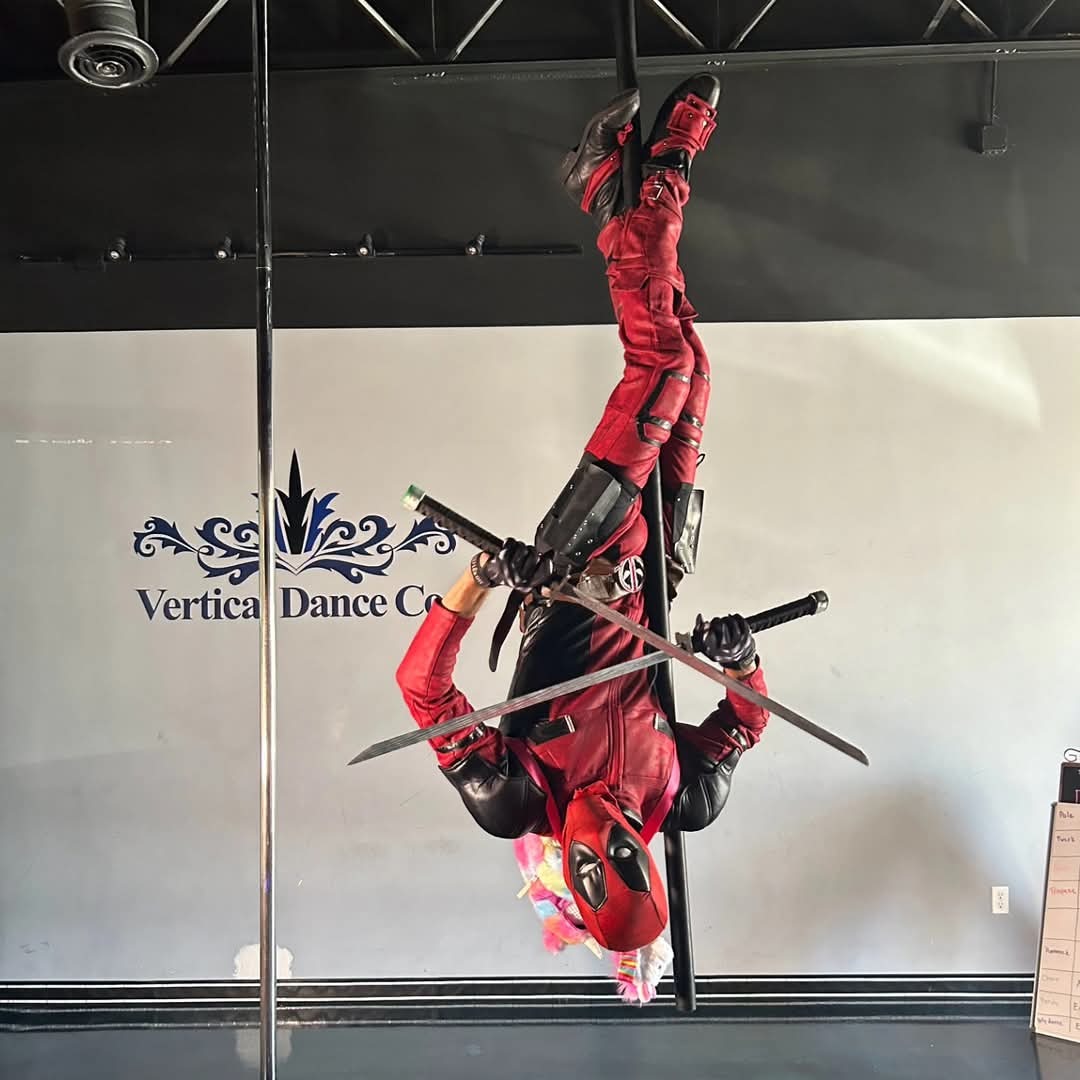
Throughout my life I have been extremely active in a wide variety of hobbies. As a teen I played baseball, football, wrestled, swam, hunted, fished, skied, waterskied, SCUBA dove, and rode motocross. As an adult became competent in basic carpentry, electrical work, plumbing and automotive repairs. I added new hobbies including whitewater kayaking, snowboarding, and martial arts. When my daughter was a teenager, I struggled to find a common hobby we could pursue together. Around 2006, the same time I was first diagnosed with oral cancer, my daughter asked me to take her to an anime convention. Little did I suspect this would become my creative outlet for the remainder of my life. It formed a tight bond between us. I learned to sew and make props. She designed the outfits that I made. We eventually began performing at conventions. As years passed, I polished and expanded my performances skills and learned new hobbies to more accurately portray the anime characters I chose to cosplay. I learned to figure skate and pole dance and learned burlesques skills. I also learned how to make videos and edit music.
My years spent in the cosplay/performance environment paralleled my cancer journey. In 2006, my dentist found a small white spot on the underside of my tongue. An oral surgeon confirmed it to be a pre-cancerous leukoplakia. He referred me to a world-renown Oral-Maxillofacial surgeon at the University of Maryland. He was a firm believer in routine follow-up wellness checks once oral cancer is detected, even after 5 years of appearing cancer free. It’s my belief that I’m alive today because he promoted this approach and actively performed research that substantiated this position to insurance companies.
My Cancer Journey
As for my cancer journey, in 2007, the leukoplakia returned, and I was diagnosed with stage 1 cancer. I had a partial glossectomy that removed about 15% of my tongue. The surgery had no noticeable effect on my ability to speak or eat. I volunteered for multiple MRI/speech trials to help generate data on post-operative tongue mobility in hopes of helping further my doctor’s research. After five years, I was still cancer free and was informed that 95% of all patients will never have a recurrence. Thankfully, my doctor continued to monitor me every 6 months, because the cancer returned in a couple of years. In 2014, more cancer was found in my tonsil pillar. That surgery was more intrusive. It was recommended that he not only remove the tonsil pillar, but preemptively remove 32 lymph nodes in that general area to prevent any remaining or recurring cancer from spreading through my body. In hindsight, it was the right decision, because 5 years later, my cancer returned again.
In 2019, I found another lesion. My doctor biopsied it and removed it with laser surgery and continued to monitor my condition. The laser treatments and biopsies of suspicious looking tissue continued in 2020 and 2021. During all of these procedures, my life was relatively unaffected by the surgeries.
In 2022, however, that changed. A larger area near the base of my tongue appeared to have a possible tumor. A PET scan confirmed the area to be cancerous and had possibly infiltrated my lower jaw. Going into this surgery, I knew it would substantially affect my life going forward. At this point my original cancer doctor had retired and his senior surgeon took over my treatments. He explained that he would have to remove 50-85% of my tongue because of the location of the tumor. He also explained that he would be removing a portion of my fibula (lower leg bone) to replace the part of my jaw that had cancer. The surgery was expected to be complex and lengthy and would certainly affect my speech and swallowing. At the time, I don’t think I fully understood the risks of the surgery or extent to which it would affect my life.
In the middle of the night after the surgery, I can remember awaking briefly to a cluster of surgeons holding a conference in the hall outside my room. In the morning, when I finally awoke, I queried a nurse about the doctors. She told me I was on death’s doorstep at that time, and they were trying to decide what to do about my plummeting vitals. I still don’t know what was done, if anything, but by morning things stabilized.
When I awoke, I was breathing through my tracheotomy and had to eat through a tube in my stomach. I spent 2 weeks in the hospital. Thankfully, the tracheotomy was removed before I left the hospital. Unfortunately, I had to use the feeding tube for a couple of months before I could swallow any food.
Three months later I began my radiation treatments, chemotherapy treatments and speech/swallow therapy at INOVA. My new radiation therapy doctor was highly recommended by my doctors at University of Maryland. He oversaw all of my radiation treatments. In total, I had 6 weeks of radiation therapy and 4 weeks of proton therapy. I also received 6 weeks of chemotherapy under the care of another excellent doctor at Inova. At the conclusion of the treatments, there was still one area of concern. A needle biopsy confirmed there was still some traces of cancer present, so another surgery was scheduled for this area.
After healing from this last surgery, I began immunotherapy under the recommendation of my chemotherapy doctor. I’ve spent the past 2 years getting Keytruda treatments to attempt to jumpstart my immune system to help resist cancer taking hold in my body again.
Life After Cancer
In the past 2 ½ years, I’ve faced many challenges as I healed from surgeries and radiation / chemotherapies. I’ve learned to communicate in new ways and can even communicate reasonably well through speaking, despite not having a tongue. Eating is probably the biggest impact. My diet is mainly nutritional drinks and smoothies. At times it’s a struggle to eat enough to maintain my weight. The hardest struggle is not being able to enjoy the food I used to love. What I would give to eat a slice of pizza or a hamburger. I can still eat finely chopped solids, but it requires a lot of water to wash down the food so I can swallow it, so I can’t eat very much. Still, it is a pleasant change to eat a few bites of filet mignon or shrimp or sushi every now and then.
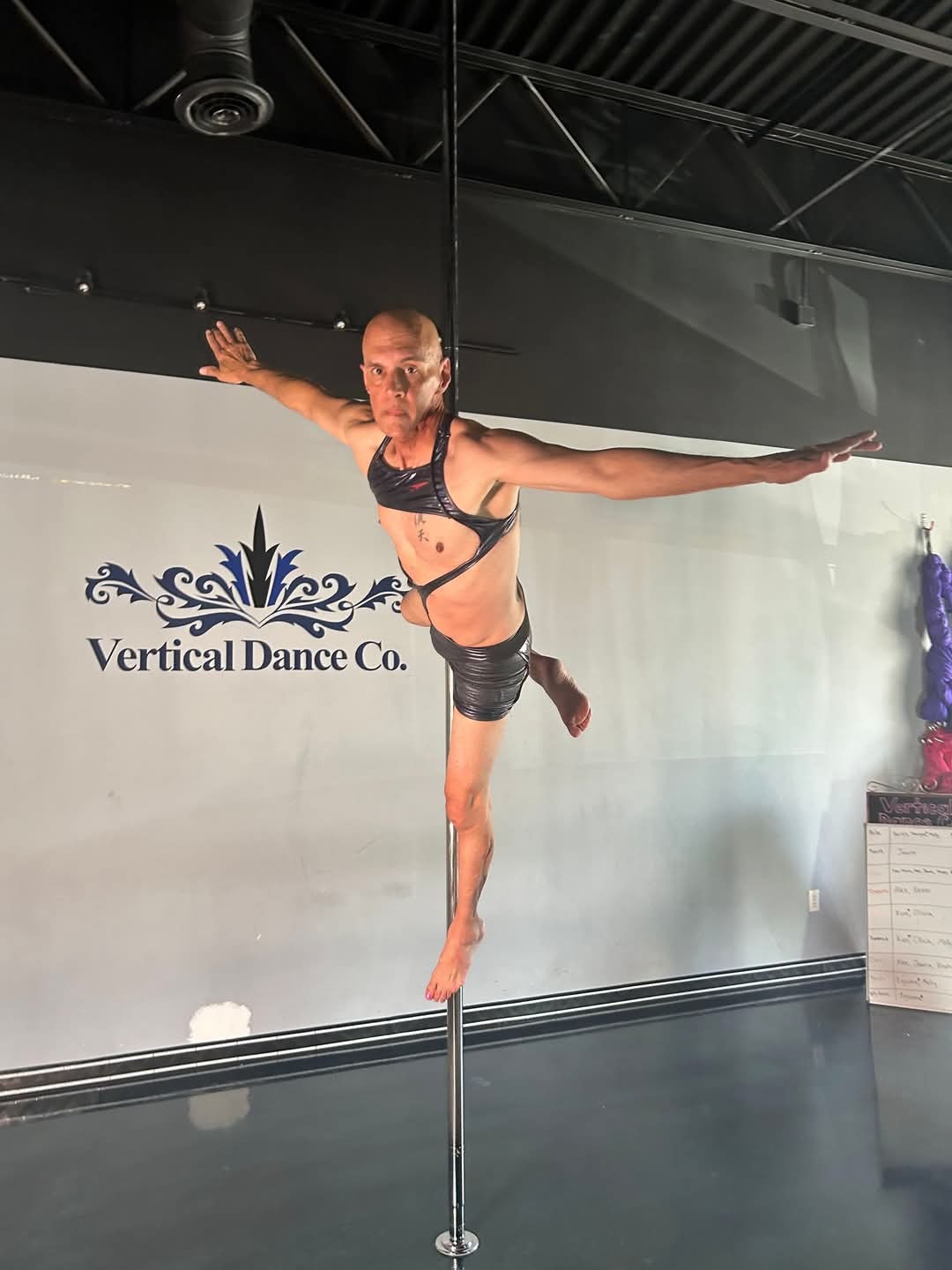
Since my body has healed from the surgeries, I have returned to doing the things that I love. I am paddling my kayak down whitewater rapids. I am pole-dancing for strength and flexibility. I am still performing and cosplaying with friends. I have decided that I will not let this battle limit what I can do and will strive to embrace every moment I get to have in this lifetime. This journey has taught me to appreciate the people in my life more than anything else. I hope that my story and indominable spirit can help others fighting similar battles, and I thank all the medical staff, friends and family who have been there for me as I continue to wage battle with the terrible disease.